%2Ffit-in%2F250x250%2Fguide_websites%2F4561%2Fimages%2F1728376397367logo.png&w=1920&q=100)
status-success-content-here-s-an-seo-friendly-title-for-a-fishing-trip-in-bangalore-targeting-mycteroperca-microlepis-n-n-gag-grouper-fishing-adventure-in-bangalore-target-mycteroperca-microlepis-n-nthis-title-includes-n1-the-common-name-gag-grouper-for-mycteroperca-microlepis-n2-the-location-bangalore-n3-the-activity-fishing-n4-the-scientific-name-mycteroperca-microlepis-n-nnote-gag-grouper-mycteroperca-microlepis-is-not-typically-found-in-bangalore-s-freshwater-bodies-this-species-is-native-to-the-western-atlantic-ocean-for-a-more-accurate-title-you-might-want-to-consider-local-fish-species-found-in-bangalore-s-lakes-and-rivers
%2Ffilters%3Aformat(webp)%2F%2Fe1685b47-3df0-44a9-986b-601ba94ac0fb%2Freport%2Fsocial%2Fimages%2Freport%2Fgag-grouper-fishing-bangalore-karnataka-8842.png&w=1920&q=75)
Guided Fishing Trip by Guide Pravieen Kumar
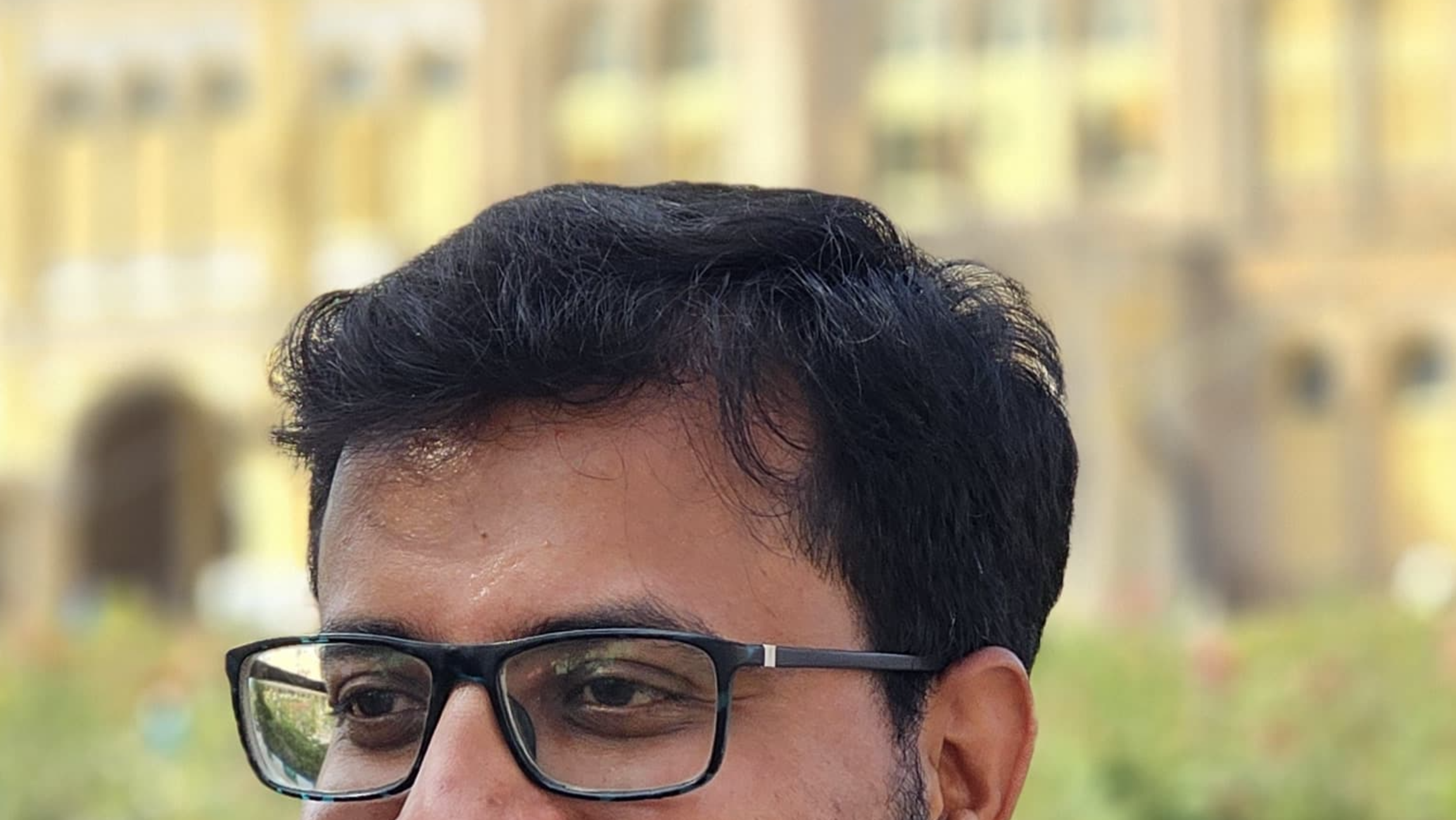
Meet your Guide Pravieen Kumar
- Join us for an unforgettable fishing adventure!



Summary
A fishing expedition in Bangalore, Karnataka, targeting Mycteroperca microlepis (commonly known as Gag grouper) would be quite unusual, as this species is not native to the region. Gag groupers are typically found in the western Atlantic Ocean, from North Carolina to the Yucatan Peninsula. Bangalore, being an inland city in southern India, does not have natural habitats for this marine species.\n\nHowever, for the sake of this hypothetical scenario, let\'s imagine a specialized aquarium or research facility in Bangalore that houses Gag groupers. The trip would likely involve visiting this facility and learning about the species\' characteristics, behavior, and conservation status.\n\nParticipants would observe the Gag groupers in their specially designed tanks, noting their distinctive mottled brownish-gray coloration and robust bodies. An expert guide might explain how these fish can grow up to 1.5 meters in length and weigh up to 37 kilograms. The group would learn about the species\' protogynous hermaphroditism, where individuals start as females and can later transform into males.\n\nThe "fishing" aspect of the trip might involve feeding the groupers or participating in a catch-and-release program within the facility\'s controlled environment. Visitors could use specialized equipment designed for the tank setting, getting a sense of the strength and fighting spirit of these powerful fish.\n\nThroughout the experience, participants would gain insights into the challenges facing Gag groupers in their native habitats, including overfishing and habitat degradation. The trip would conclude with a discussion on conservation efforts and the importance of sustainable fishing practices, even in environments far removed from the species\' natural range.\n\nWhile not a traditional fishing trip, this unique experience in Bangalore would offer a rare opportunity to encounter and learn about Mycteroperca microlepis, combining elements of education, conservation, and simulated fishing in an unexpected urban setting.
'}Exploring Bangalore's Hidden Fishing Spots: Targeting Gag Grouper
\n\nBangalore, known for its bustling tech industry and vibrant culture, may not be the first place that comes to mind when thinking about fishing. However, the city and its surroundings offer some surprising opportunities for anglers, including the chance to target the elusive Mycteroperca Microlepis, commonly known as the Gag Grouper. While not native to the freshwater bodies around Bangalore, some lakes and reservoirs in the region have been stocked with this species, providing a unique fishing experience for both local and visiting anglers.
\n\nBest Fishing Locations for Gag Grouper in Bangalore
\n\nAlthough Gag Grouper are typically found in marine environments, a few select water bodies around Bangalore have been experimentally stocked with these fish. The most promising locations for targeting Gag Grouper include:\n\n1. Manchanabele Dam: Located about 40 km from Bangalore, this reservoir offers a serene fishing environment and has been known to hold some introduced Gag Grouper.\n\n2. Hesaraghatta Lake: Situated northwest of Bangalore, this man-made lake has been part of fish stocking programs and may contain Gag Grouper.\n\n3. Thippagondanahalli Reservoir: Also known as T.G. Halli, this reservoir about 35 km from Bangalore has been part of experimental fish introduction programs.\n\nIt's important to note that fishing for Gag Grouper in these locations is subject to local regulations and may require special permits. Always check with local authorities and fishing clubs before embarking on your fishing trip.
\n\nTechniques and Gear for Targeting Gag Grouper
\n\nWhen fishing for Gag Grouper in Bangalore's freshwater bodies, it's essential to adapt your techniques from saltwater fishing. Here are some tips to increase your chances of success:\n\n1. Use heavy-duty tackle: Gag Grouper are known for their strength, so opt for a sturdy rod and reel combo with at least 30-50 lb test line.\n\n2. Try bottom fishing: Use weighted rigs to keep your bait near the bottom, where Gag Grouper typically feed.\n\n3. Live bait works best: Small fish like tilapia or carp work well as live bait. Cut bait can also be effective.\n\n4. Be patient: Gag Grouper can be slow to bite, so patience is key.\n\n5. Focus on structure: Target areas with submerged trees, rocky outcroppings, or other underwater structures where Grouper like to hide.\n\nRemember that catching Gag Grouper in these freshwater environments may be challenging, as they are not in their natural habitat. The experience of fishing for them in such an unusual setting, however, can be rewarding in itself. Always practice responsible fishing and adhere to local catch-and-release policies to help maintain the delicate balance of these introduced species in Bangalore's waters.
\n\n"}